get acquainted with: duck syndrome
get acquainted with: duck syndrome
May 09, 2025
1516
duck syndrome, high-functioning anxiety, student mental health, signs of burnout, social pressure and perfectionism, mental health awareness, overcoming stress and anxiety
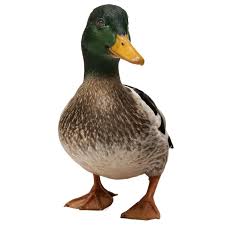
In the era of social media highlight and relentless performance pressure, a phenomenon called Duck Syndrome quietly spread among students young professional and high achieves. Recently, I heard those word through a podcast in Youtube. This era is fully filled with too many self-deprecating and rewarding psychological word. While everything looks calm and composed on the outside, the turmoil beneath remains hidden — just like a duck gliding smoothly on water while its feet frantically paddle underneath.
Duck Syndrome is a metaphorical term, describes individuals who appear calm, composed, and successful externally but are secretly struggling to keep up internally emotionally, academically, or psychologically. The term originated from Stanford University in the early 2000s, where students used it to describe the immense pressure to maintain a façade of perfection amidst overwhelming workloads and personal challenges.
The name draws from the image of a duck — serene above water but furiously paddling beneath to stay afloat. Suddenly I remember a Marvel’s The Avengers movie when Captain America suggests to Bruce Banner that he needs to get angry immediately so that he can transform into the Hulk to take the monster down. Banner calmly replied: That’s my secret, Cap: I’m always angry. Quentin Steen says that Emotions are powerful tools in the human experience of life. But we must be able to control them. Faced with duck syndrome, is this a dilemma or are we unconsciously transforming into it?
Duck Syndrome is not a clinical diagnosis, but it is closely related to psychological theories around impostor syndrome, perfectionism, and high-functioning anxiety. At its core, the syndrome is rooted in, at least: Perceived social expectations: The belief that everyone else is managing better than you; Fear of failure or vulnerability: Reluctance to show weakness or seek help; and Comparative culture: Fuelled by social media and competitive environments. These pressures lead individuals to suppress their struggles and maintain a “perfect” image, often to the detriment of their mental health.
It might seem odd to consider “pros” of a syndrome, but understanding the full scope helps in framing balanced perspectives. Pros or perceived benefits “having” those syndrome, at least what I believe are: External perception of competence that Duck Syndrome often results in people being seen as high achievers. Second, creating Motivation to work hard. The fear of failure can drive consistent effort. And the last, Social approval: Individuals often receive praise for being “put together.” However, these are short-term gains and often mask deeper issues.
And what about the losses? Duck syndrome, based on articles I’ve search causing this kind of condition: Emotional burnout, Constant internal struggle with no outlet leads to chronic stress and anxiety; Isolation, Belief that one must hide their struggles can lead to loneliness; Mental health deterioration, Prolonged suppression can contribute to depression or anxiety disorders; Fear of vulnerability, Individuals may avoid seeking help due to fear of being perceived as weak person. If you or someone you know may be experiencing Duck Syndrome, maybe these practical steps could manage it: Acknowledge the reality – Accept that struggling is normal and does not make you weak. Practice vulnerability – Open up to trusted friends, family, or a counsellor. Limit social comparison – Reduce time spent comparing yourself with curated online personas. Develop realistic expectations – Redefine success to include rest, failure, and personal growth. Seek professional support – Therapy or counselling can help unpack the internal pressures and offer coping strategies. Promote open conversations – In academic or professional settings, normalize discussions around mental health.
Everyone struggles beneath the surface at some point. Duck Syndrome thrives on silence and secrecy; the most powerful antidote is honesty — with ourselves and or others. Embracing our imperfections, asking for help, and prioritizing well-being over perfection are acts of true strength. Duck Syndrome is a modern emotional challenge faced by many who feel they must "glide" effortlessly through life. By developing empathy, building authentic connections, and allowing ourselves to be vulnerable, we can begin to dismantle the illusion and nurture healthier, more sustainable lives. Are you the duck or the syndrome? I look for the duck in the park first.
Quotes.
"kebajikan timbul dari haus akan ketidaktahuan, kesombongan lahir atas kekenyangan sok tahu."- myself
"mengutuk kegelapan baik, menyalakan cahaya jauh lebih baik."- anies baswedan
"marah dan sedih adalah dua sisi koin berdampingan. anda marah karena ada kesedihan yang tidak bisa disampaikan, sedih karena ada kemarahan yang tidak berani diungkapkan."- sophie navita
"pergi paling romantis adalah untuk pulang."- myself
"terbanglah tinggi tanpa menjatuhkan orang lain."- jordi onsu



loading ...